
- All
- Product Name
- Product Keyword
- Product Model
- Product Summary
- Product Description
- Multi Field Search
Views: 0 Author: Rhinails Publish Time: 2026-09-29 Origin: Site


For poultry netting on timber posts, use a galvanized wide-crown staple about 1 in (25 mm) across the crown with 28-40 mm legs, driven over the wire so the crown spans two mesh wires instead of one. Choose a ring shank staple for exposed or windy runs where the wire must never work loose, and go stainless only where salt or constant spray is in the air.
A narrow-crown staple on wire mesh is the single most common mistake - it pinches one wire, and the first strong gust pulls it through.
Wire netting behaves unlike any other material you fasten. It moves, it flexes, and it loads the staple in tension every time the wind blows. A staple that looks perfectly set on a still afternoon can be hanging half out by spring.
There is also the labour side. Ask a trade forum how to attach poultry netting and the top answer is still the blunt one - hammer and sore fingers.
Driving hundreds of pre-formed staples by hand along a fence line is slow, hard on the wrist, and inconsistent: some staples end up buried, others barely bite, and the wire ripples between them.
Both problems - holding power and hand fatigue - come down to choosing the right crown, leg length, shank and coating.
Fig. 1 - A wide crown spans two mesh wires and spreads the load; a narrow crown pinches one wire and concentrates it.
Crown width | How it grips the mesh | Where it belongs |
|---|---|---|
Narrow crown (about 5-6 mm) | Grabs a single wire | Light garden mesh, small repairs, trellis and plant support - never a long fence run |
Wide crown (about 25 mm / 1 in) | Spans two wires, so the load is shared and the wire cannot pivot | Poultry netting, chicken wire, aviary mesh, garden fencing - the default choice |
Heavy fence staple (wider still) | Holds two or three wires plus the tension of a taut run | Field fencing, stock fencing, high-tension wire runs |
Crossing two wires is what makes a wide crown work. The mesh cannot rotate around the staple, so the wire stays flat against the post instead of rocking loose. That is why a 1 in crown is standard for poultry work rather than a narrow upholstery-type staple.
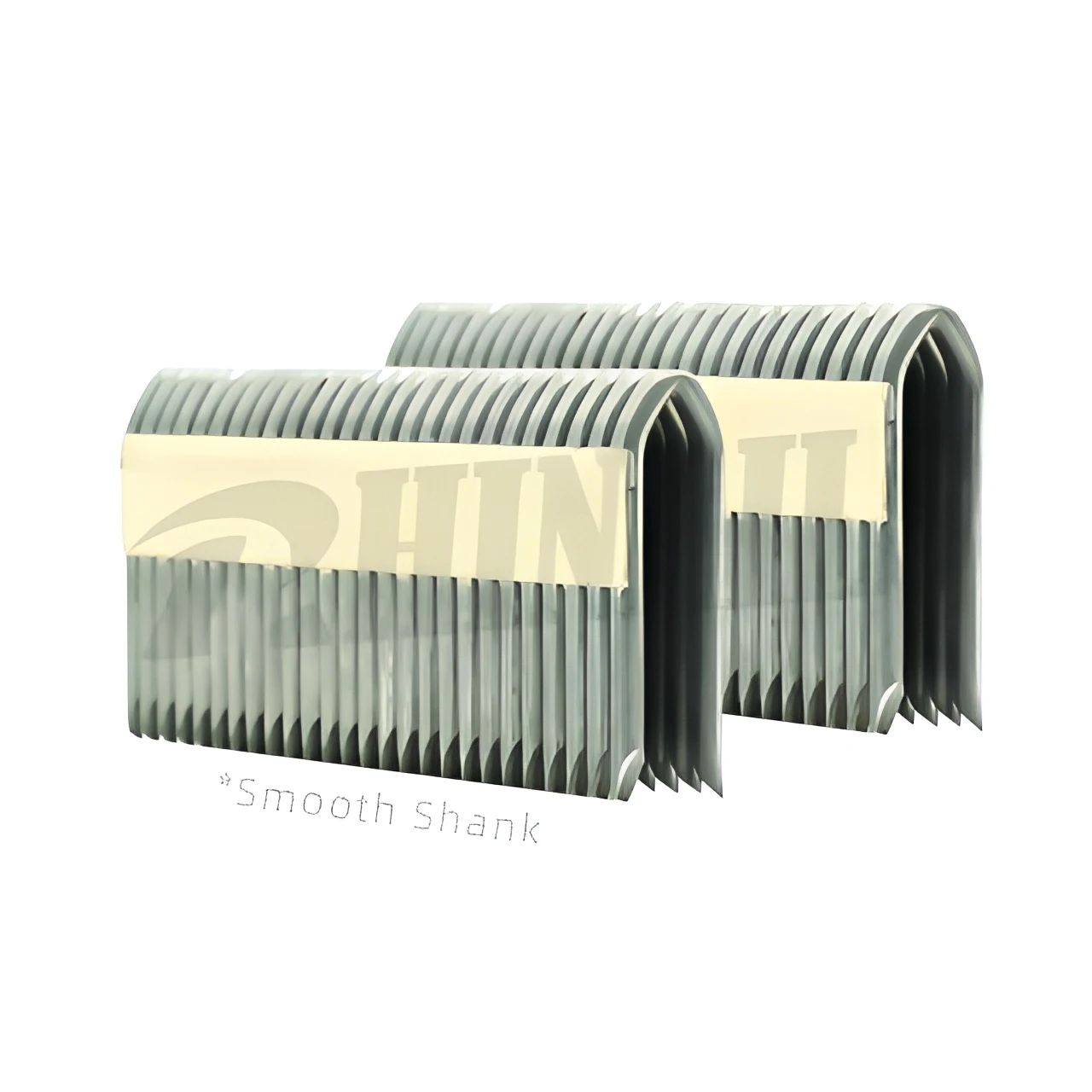
Fig. 2 - Smooth shank galvanized fence staples, 28-40 mm - a wide crown that spans two wires of poultry mesh.
Leg length is set by the thickness of what the staple passes through - wire plus post - and by how much load the run carries.
Situation | Leg length | Why |
|---|---|---|
Light mesh on a thin batten or lath | 28 mm | Reaches through the wire and batten without breaking out the back |
Poultry netting on a standard timber post | 28-40 mm | The working range for most chicken runs, aviaries and garden fences |
Heavy wire on a thick post, or a stressed corner | 40-50 mm | Extra depth for tensioned runs and corners where the load concentrates |
Corner and gate posts | 40-50 mm, driven at a slight angle | The staple has to resist pull-out in two directions at once |
Two rules that keep mesh tight:
Leg too short is a real failure; leg too long is a split post. A leg that stops inside the outer grain of the post will creep out under load. A leg that breaks out of the far face weakens the post at exactly the point where the fence is tensioned.
Check the post, not just the wire. A 28 mm leg in a 50 mm post and a 28 mm leg in a 20 mm lath are two different jobs, even though the wire is identical.
Fig. 3 - Match the shank to the load: smooth for light mesh, threaded for general fencing, ring shank where the wire must never move.
Shank | Holding behaviour | Use it for |
|---|---|---|
Smooth | Straight shaft, easy to drive, easy to pull | Light garden mesh, trellis, temporary runs, repairs |
Threaded (annular rings) | Rings bite the timber and resist creep under vibration and wind | General poultry and garden fencing, fence runs exposed to movement |
Ring shank | Deep rings that grip hard in every direction - the strongest pull-out resistance | Exposed and windy sites, stock fencing, tensioned wire, field corners |
Outdoors, the shank decides how long the fencing stays tight. Wind cycling works a smooth staple loose over time; a threaded or ring shank staple resists that movement. For a permanent chicken run, threaded or ring shank is worth the small extra cost.
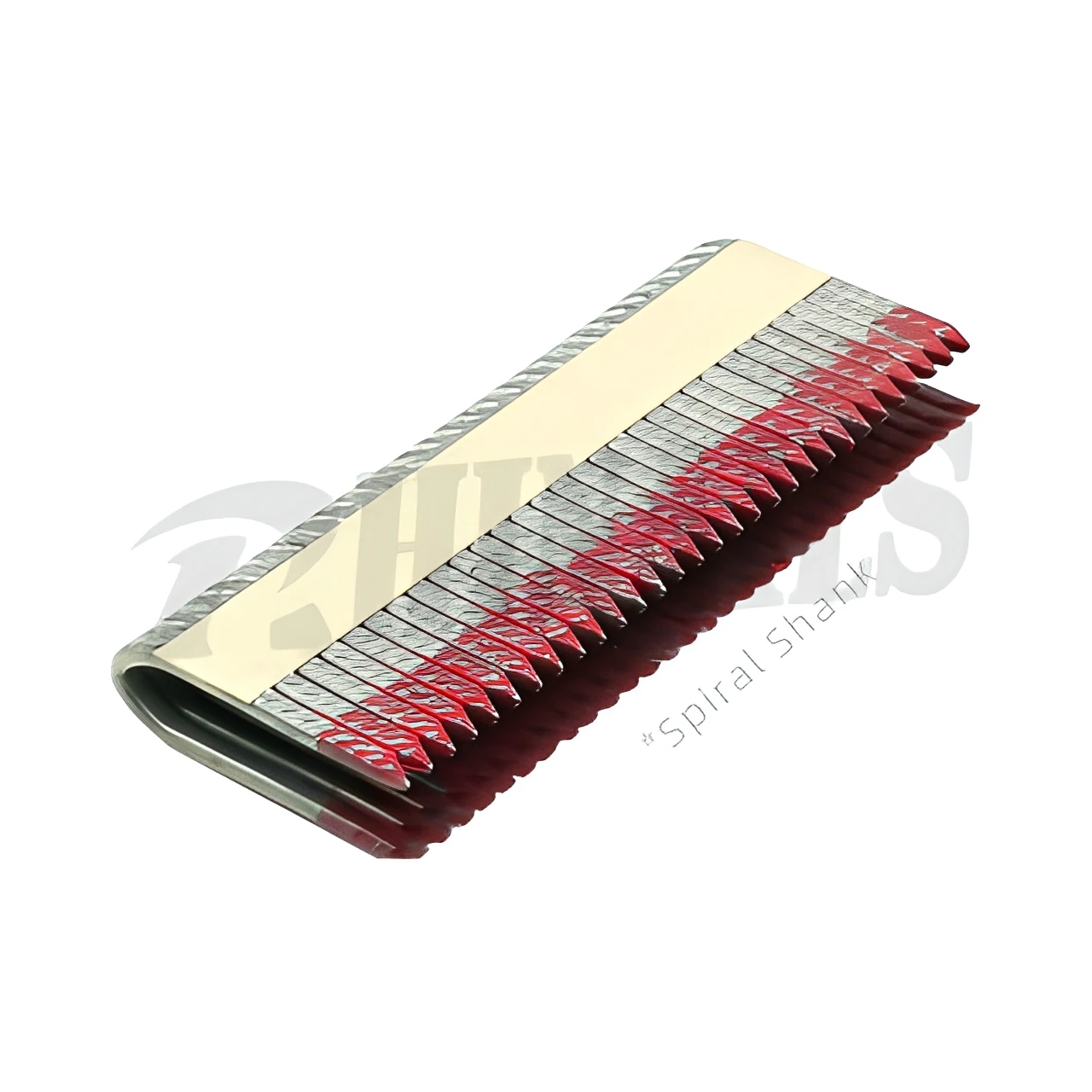
Fig. 4 - Threaded fence staples, 28-40 mm - the rings resist the wind cycling that works smooth staples loose.
For general farm and garden fencing, hot-dip galvanized or heavy galvanized is the working standard: the zinc layer is thick enough to survive weather for years. Choose stainless where the air carries salt - coastal properties, properties near a main road treated with de-icing salt, or where poultry housing is washed down regularly. Stainless also avoids the rust streaks that run down timber from a failing staple.
The full comparison of coating types, including how to tell a properly galvanized staple from a thin-plated one, is covered in our guide to galvanized vs stainless fasteners for outdoor work.
There is no single international standard for staple spacing, so what matters is that the mesh cannot move once the run is under tension. These are the working rules we recommend:
Tension the wire before you staple. Staple slack wire and you will be chasing loose mesh all season. Pull the run taut, hold it, then drive the staple over the tensioned wire.
Set the staple over two wires, not one. The crown should cross the mesh diagonally enough to catch two wires, with the staple legs on either side of a wire rather than straddling a single strand.
Do not crush the wire. Drive the staple until it touches the wire, not until the wire is flattened against the post. A crushed wire loses tensile strength and rusts faster at the damaged spot.
Space staples to suit the exposure. As a working rule, staple at every post and at intervals of roughly 300-450 mm (12-18 in) along each post, tightening the spacing on exposed or windy boundaries.
Add staples where the load concentrates. Bottom edges that stock or predators push against, corners, gate posts and the first post after a gate all need closer spacing and a ring shank staple.
Leave a little movement in long runs. Wire expands and contracts with temperature. A run stapled dead tight in summer can be drum-tight by winter and pull staples at the ends.
Finish the top edge properly. A wire top edge that is stapled only every second post will sag and let birds - or foxes - push through.
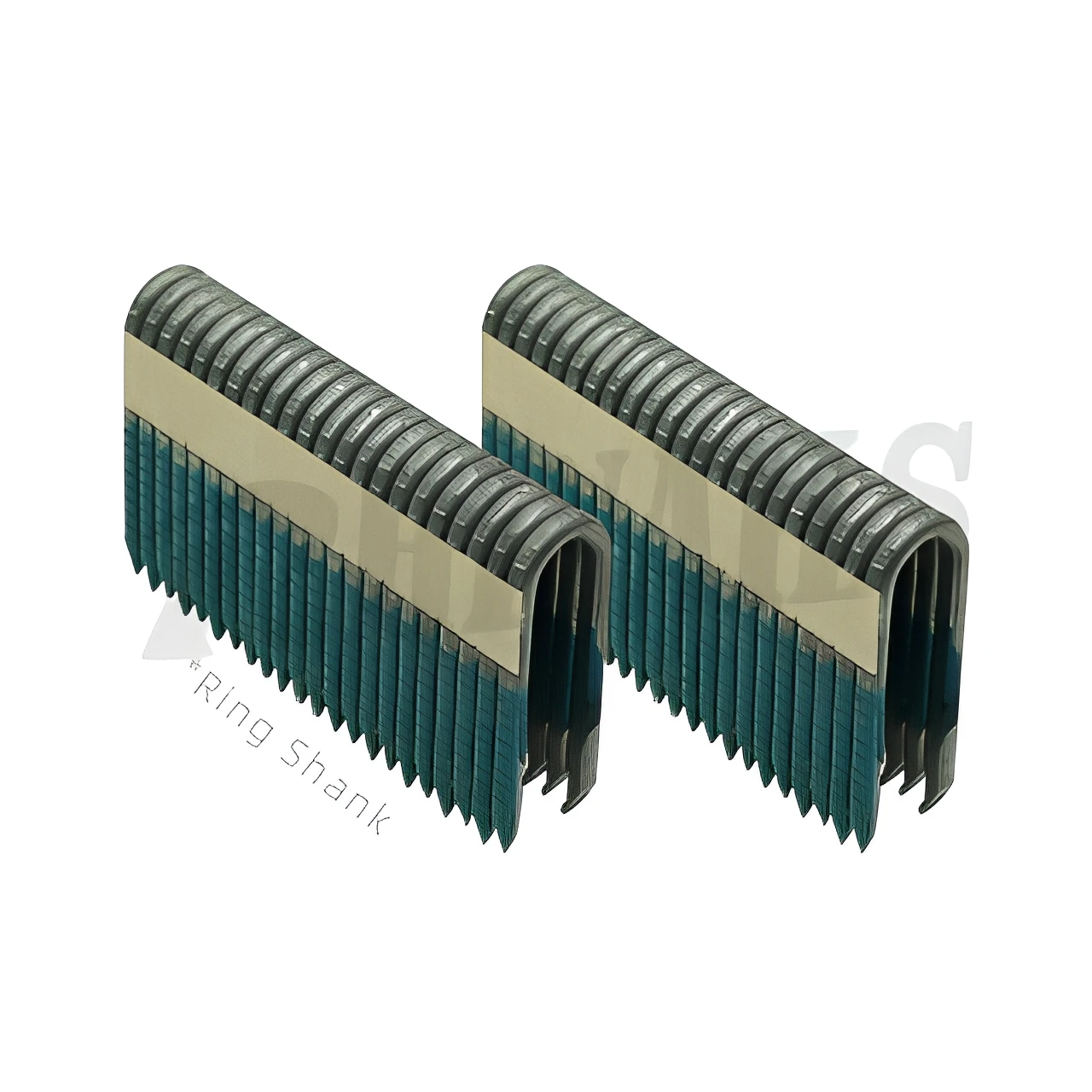
Fig. 5 - Heavy duty ring shank galvanized fence staples, 40-50 mm - for corners, gate posts and exposed runs where a load concentrates.
Tool | Speed | Consistency | Best for |
|---|---|---|---|
Hammer and pre-formed staples | Slow | Low - depth varies staple to staple | A few posts, repairs, one-off jobs |
Manual hand stapler | Moderate | Medium - limited by hand force | Small mesh, light wire, low post counts |
Pneumatic fence stapler | Fast | High - consistent depth and angle | Long runs, contractors, stock and poultry fencing at volume |
The gap between hand driving and a pneumatic stapler is not just speed. It is consistency: a pneumatic tool sets every staple to the same depth, which is what keeps the wire flat and the mesh tight. Contractors who run hundreds of metres a season recoup the tool cost on labour alone - and they stop losing days to sore hands and re-work.
If your run is measured in kilometres rather than metres, match the staple to the tool first: wide crown, 28-40 mm or 40-50 mm legs, ring shank for the exposed sections.
Problem | Cause | Fix |
|---|---|---|
Wire pulls out of the staple in wind | Narrow crown gripping a single wire, or smooth shank | Move to a wide crown spanning two wires; use threaded or ring shank |
Mesh sags between posts | Staples spaced too far apart, or wire stapled slack | Closer spacing - about 300-450 mm per post - and tension the wire before stapling |
Rust streaks down the post | Thin-plated or electro-galvanized staples, or coated wire damaged during driving | Heavy galvanized or stainless; stop driving once the staple meets the wire |
Staples bend on driving | Leg too long for the post, or staple driven at an angle | Match leg length to the post; keep the tool square to the face |
Post splits along the grain | Legs too long, or staples lined up in one vertical row | Shorten the leg or move to a thicker post; stagger staple positions |
Predators push under the bottom edge | Bottom edge stapled like the rest of the run | Closer spacing along the bottom, and a ground-level wire or apron |
Staples work loose after a season | Smooth shank in a vibrating, wind-loaded run | Switch to threaded or ring shank |
Wide crown over two wires. Poultry mesh needs a staple that spans wires, not one that pinches a single strand. This is the decision that determines whether the fence survives its first winter.
Match the shank to the exposure, not the price. Smooth for sheltered light jobs, threaded for general fencing, ring shank for anything wind-loaded or tensioned. Saving a few cents per kilo on the shank is how a fence ends up loose in year two.
Buy coating for the climate. Galvanized for inland farm conditions, stainless where salt is in the air. Coating is the difference between a staple that outlasts the post and one that rusts away inside it.
Q: What size staples for poultry netting?
A: A wide crown staple about 1 in (25 mm) across with 28-40 mm legs is the standard for poultry netting on timber posts. The crown must span two wires of the mesh, not one.
Q: How far apart should I staple chicken wire?
A: Staple at every post, and at intervals of roughly 300-450 mm (12-18 in) along each post. Tighten the spacing on exposed boundaries, along the bottom edge, and at corners and gate posts.
Q: Can I use a narrow crown staple for poultry wire?
A: It will hold briefly, but a narrow crown grips a single wire, so the mesh can rotate and pull through under wind load. Wide crown staples that cross two wires are the reliable choice for any run that has to last.
Q: Do I need galvanized or stainless staples for a chicken run?
A: Galvanized for normal inland conditions - it is the working standard and lasts for years. Stainless where salt or constant spray is present, or where you cannot accept rust streaks on the timber.
Q: Why do my fence staples keep pulling out?
A: Three usual causes: a narrow crown gripping only one wire, a smooth shank in a wind-loaded run, or legs too short to reach through the wire and into sound timber. Fix the crown and shank first.
Q: Is a pneumatic stapler worth it for poultry netting?
A: For long runs, yes. A pneumatic fence stapler sets every staple to a consistent depth and angle, which keeps the mesh flat and tight, and removes the hand fatigue that makes hand-driven work inconsistent.
Q: What length staples for a corner post?
A: Use 40-50 mm ring shank staples, driven at a slight angle so the legs cross the grain. Corners carry load in two directions, so the staple needs both depth and grip.
Rhinails is a fastener manufacturer with 30 years of experience producing fence staples and wire fasteners, including smooth shank galvanized fence staples, threaded fence staples, heavy duty ring shank staples and heavy duty D-ring fencing staples, in galvanized and stainless steel. Crown width, leg length and shank form are checked batch by batch, and every run is packed for dry storage. Contact us for bulk pricing, a coating recommendation for your climate, or a sample pack - see the full range on our fence staples page.


