
- All
- Product Name
- Product Keyword
- Product Model
- Product Summary
- Product Description
- Multi Field Search
Views: 0 Author: Rhinails Publish Time: 2026-11-03 Origin: Site


Choose black phosphate drywall screws for standard interior drywall on wood or light steel studs: the porous micro-crystalline phosphate layer holds oil and provides an aggressive mechanical bond for joint compound (drywall mud) and paint.
In damp environments like bathrooms, kitchens, and basements, upgrade to zinc-plated (electro-galvanized) screws to stop moisture from bleeding rust rings through finished drywall.
For exterior gypsum sheathing or cement backer boards, never use phosphate: specify 1,000-hour polymer-coated (Ruspert) or stainless steel fasteners.
Many contractors assume the dark black finish on drywall screws is an anti-rust shield. It is not.
Fig. 1 - Inside the Rhinails screw plant: multi-station high-speed cold-heading and thread-rolling machinery lines cold-forming 1022A wire into bugle head screws at 280 pieces per minute.
A phosphate coating is a chemical conversion layer:
The steel screw is immersed in a dilute phosphoric acid bath containing manganese or zinc salts.
The acid reacts with the surface iron to grow microscopic, interlocking phosphate crystals.
This crystalline surface is porous: it absorbs corrosion-preventive oil for storage and creates microscopic teeth that joint compound grips tightly.
Unlike smooth paint or chrome plating, wet drywall mud adheres directly to phosphate without peeling or blistering as it dries.
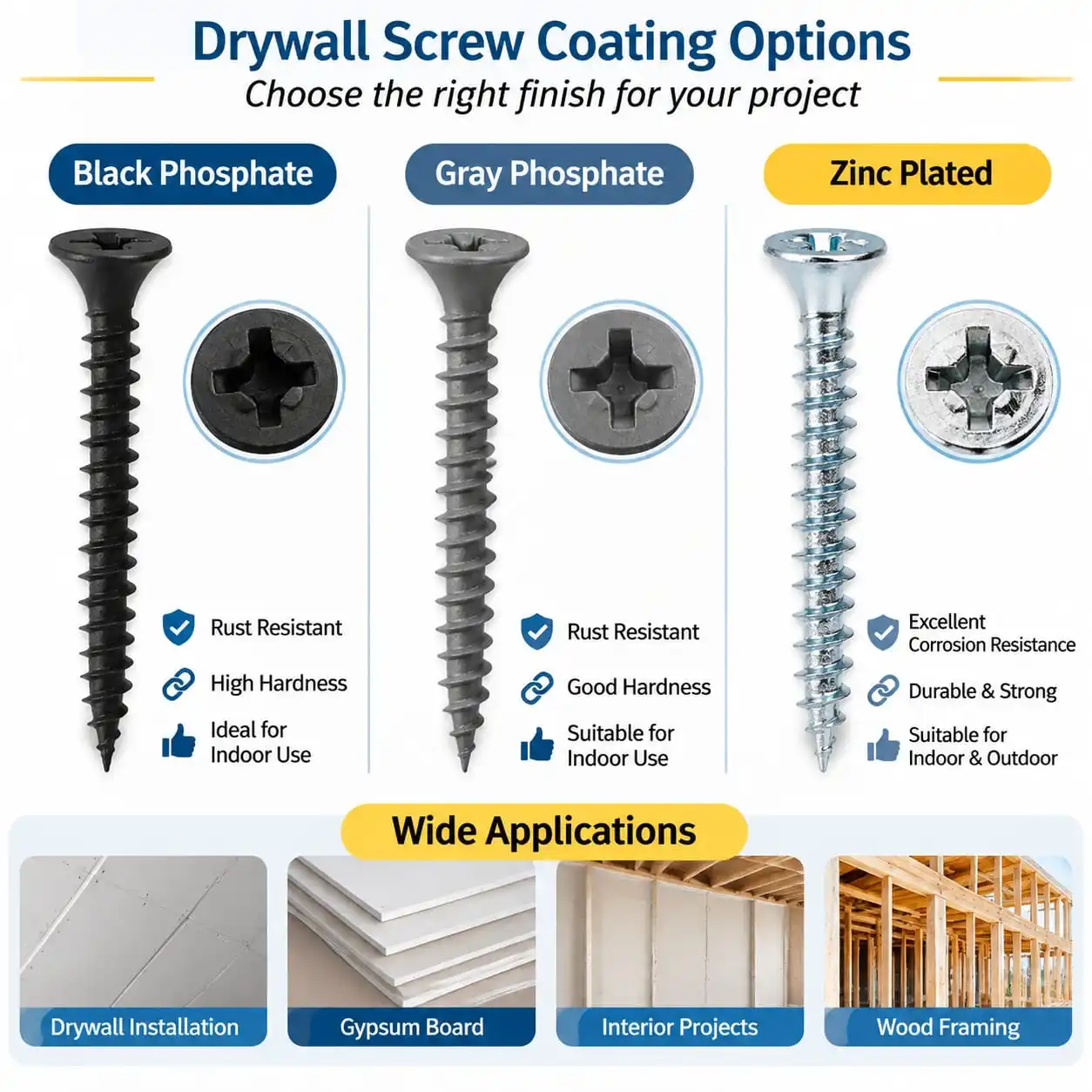
Fig. 2 - Drywall screw coating options: black phosphate, gray phosphate, and zinc plated finishes compared side by side.
Coating Type | Coating Chemistry & Structure | Salt Spray Hours (ASTM B117) | Mud Adhesion Performance | Recommended Jobsite Environment |
Black Phosphate | Manganese / iron phosphate conversion layer + oil dip | 24 to 48 hours | Superior; porous crystals anchor joint compound | Climate-controlled dry living areas, bedrooms, ceilings |
Grey Phosphate | Fine-grain zinc phosphate conversion layer | 36 to 72 hours | High; smooth matte gray finish for primer paint | Interior commercial partitions, tenant fit-out, retail walls |
Clear / Yellow Zinc | Electro-deposited metallic zinc layer (5-8 microns) | 48 to 96 hours | Moderate; smooth surface requires quality primer | Bathrooms, laundry rooms, unconditioned basements, garages |
Ruspert / Ceramic | Multi-layer ceramic metallic polymer coating | 500 to 1,500 hours | Specialized; used behind tile or exterior cladding | Exterior gypsum sheathing, cement backer board, wet soffits |
304 Stainless Steel | Solid austenitic alloy (18% Chromium, 8% Nickel) | 2,000+ hours | Specialized tile backer installations | Coastal exterior sheathing, sauna rooms, chemical exposure |
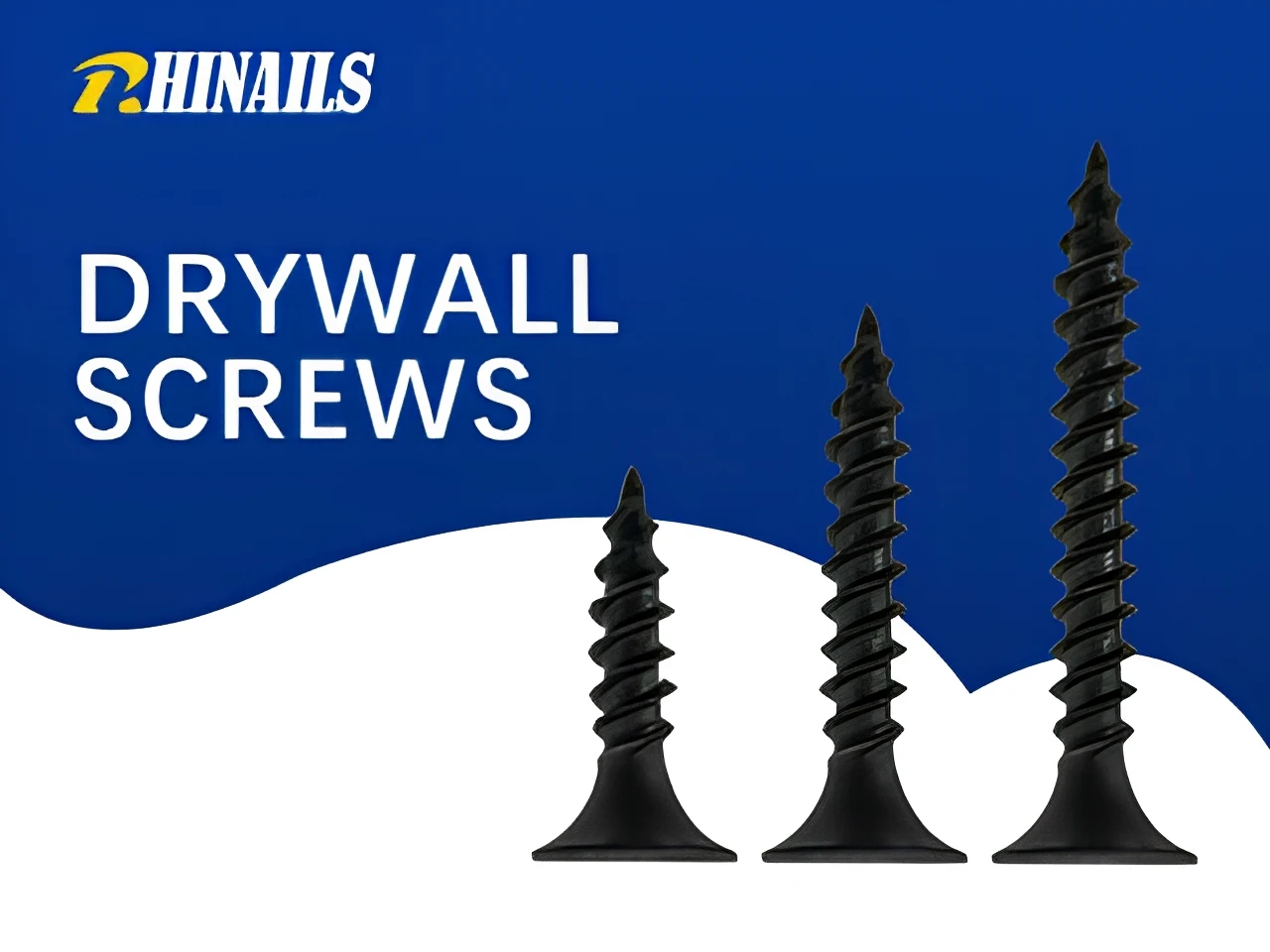
Fig. 3 - Rhinails black phosphate drywall screws: uniform deep phosphate finish ensures joint compound grips without popping or blistering.
Trade forums regularly feature homeowners asking why circular brown rust spots appear over screw heads two years after painting.
Rust bleed happens when black phosphate screws encounter three common moisture traps:
Slow-drying joint compound in humid weather: If wet drywall mud sits over the screw head for 48+ hours without curing, moisture penetrates the thin phosphate oil film and oxidizes the steel core.
Moisture behind bathroom tile and tubs: Steamy showers create high vapor pressure behind moisture-resistant green board. Black phosphate screws rust within 12 to 24 months.
Exterior soffits and porch ceilings: Outdoor humidity and fog overwhelm phosphate coatings. Always use zinc-plated or exterior-coated screws on outdoor ceilings.
Sourcing Drywall Screws Direct from the Factory?Rhinails produces container loads of black phosphate, grey phosphate, and zinc-plated drywall screws cold-forged from 1022A carbon steel with certified HRC 32-40 core ductility. |
The second most common complaint on drywall forums is screw heads snapping off when driven into 2x4 studs or light steel framing.
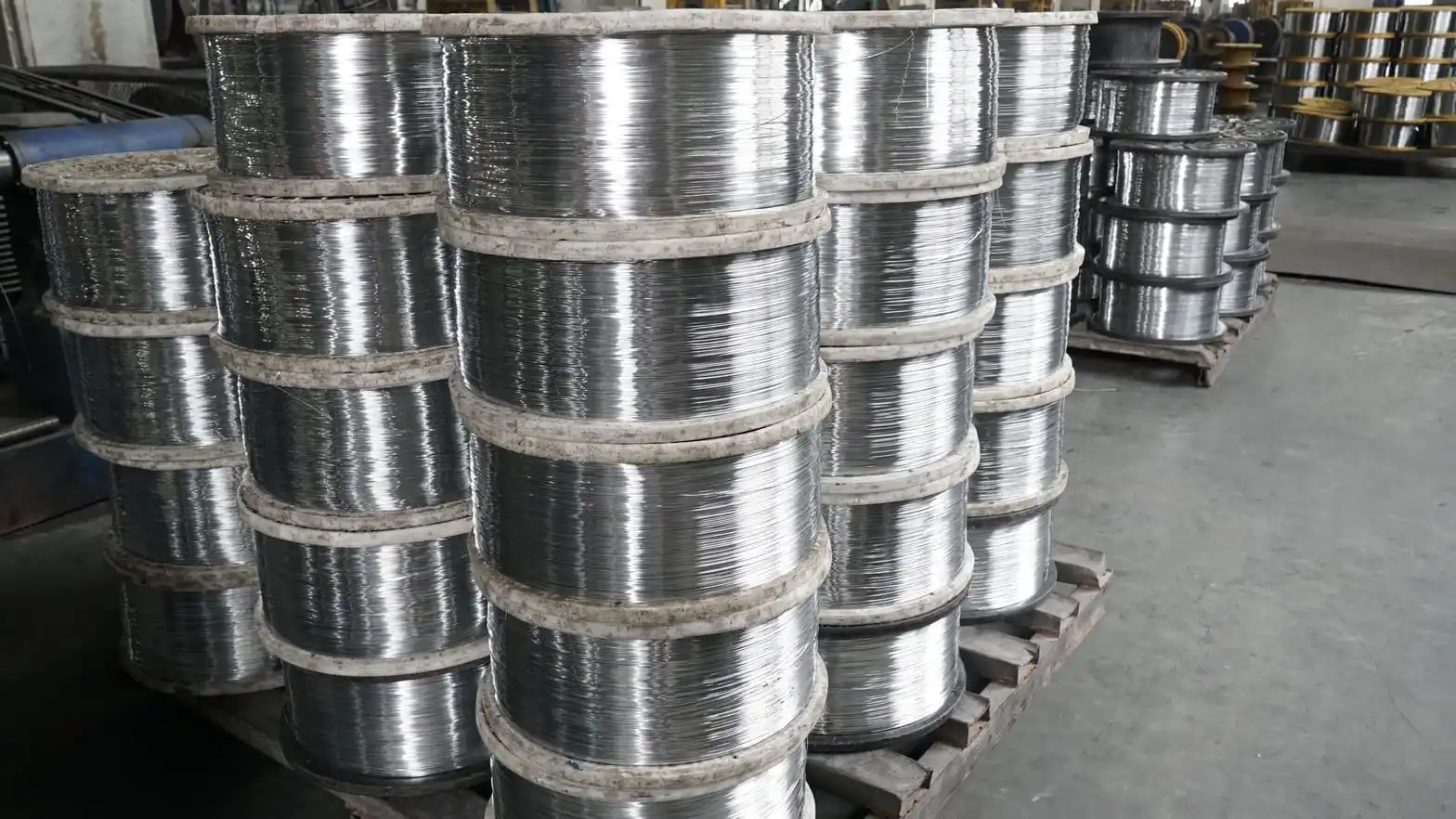
Fig. 4 - Raw material storage: certified 1022A high-tensile carbon steel wire coils inspected for chemical composition before entering the cold-heading headers.
A drywall screw must satisfy two opposing mechanical demands:
Surface (case) hardness must be high (HRC 50 to 55): The sharp needle point and threads must pierce and tap steel studs without blunting.
Core hardness must remain ductile (HRC 32 to 40): The screw shank must twist slightly under torsional load without fracturing.
Cheap factories cut costs by using scrap re-rolled wire with uncontrolled carbon content, then through-harden the screws in uncontrolled batch ovens. The entire fastener becomes as brittle as glass (HRC 48+ core hardness). The moment a high-torque screw gun seats the bugle head against dense framing, the head snaps clean off at the neck.
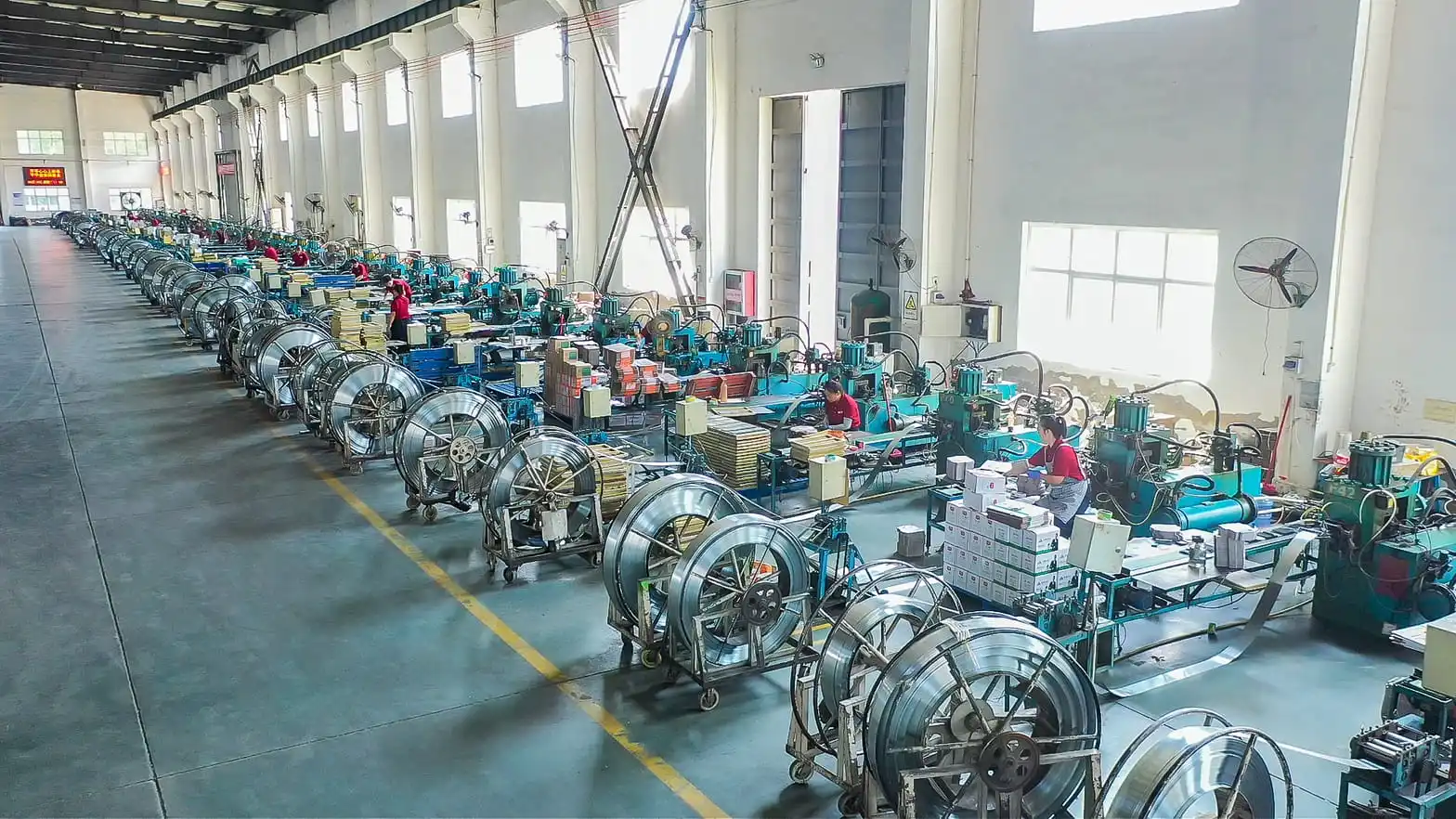
Fig. 5 - Quality inspection and packaging workshop: continuous automated lines perform drive-torque verification and case-depth checks on every production lot.
Follow these field rules to avoid callbacks from snapped screws and rust spots:
Bedrooms, hallways, living rooms, and dry offices: Black phosphate.
Bathrooms, kitchens, laundry rooms, and basements: Zinc-plated.
Exterior porch ceilings and cement backer board: Ruspert or stainless steel.
The bugle head must compress the gypsum core to form a shallow 1/32 in (0.8 mm) dimple without piercing the paper. If the head breaks the paper, the holding power drops to near zero, and wet joint compound pools directly against the broken core.
Wood framing (2x4 / 2x6 timber): Coarse-thread screws.
Light-gauge steel studs (20-25 ga): Fine twin-lead thread screws.
For a complete breakdown, read our guide on Fine vs Coarse Thread Drywall Screws.
Manual hand-feeding drops screws and slows installation. 50-screw collated plastic strips in an auto-feed gun allow one carpenter to hang 30+ sheets per hour cleanly.
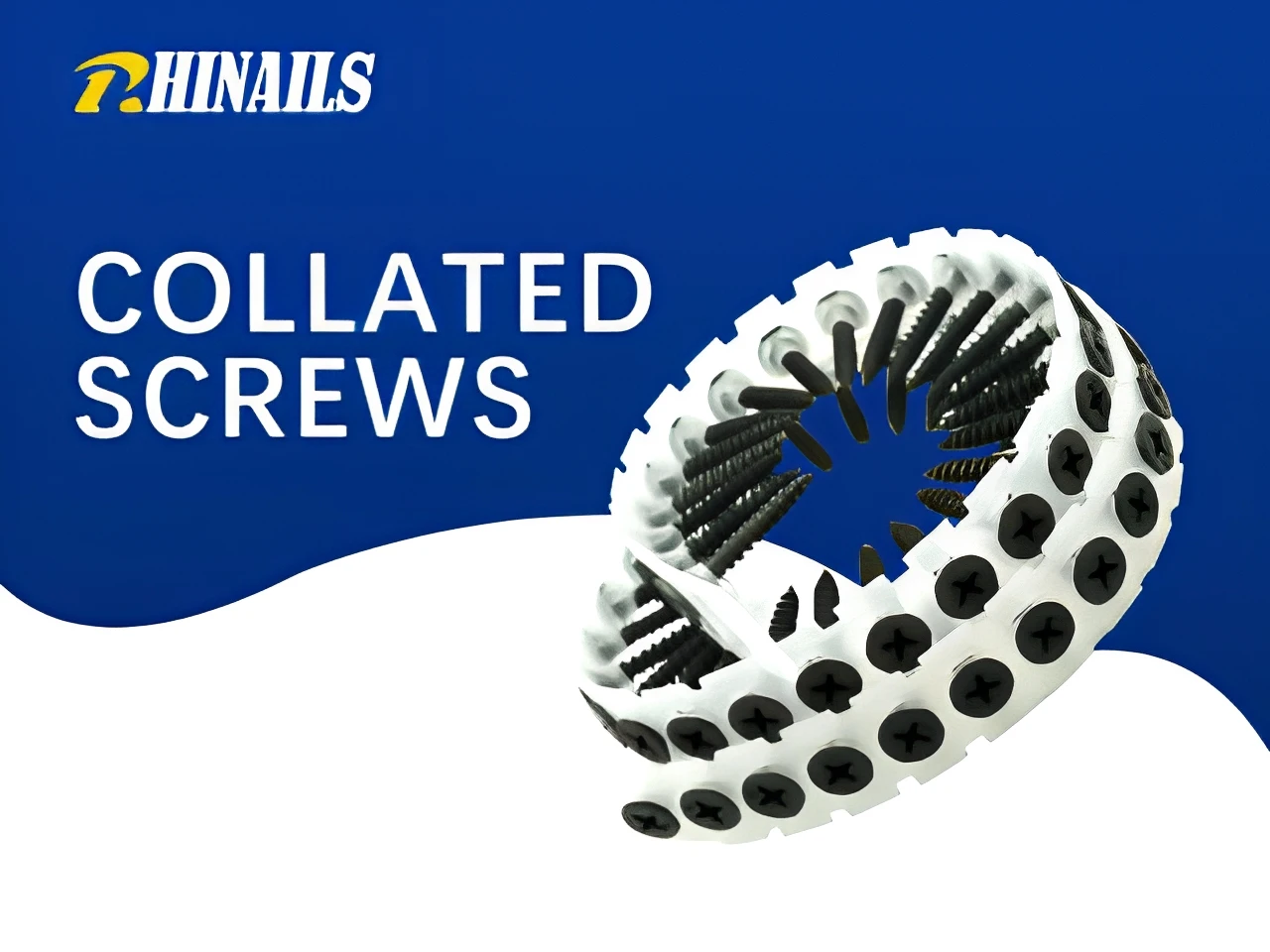
Fig. 6 - Rhinails collated screws collection: 50-screw flexible plastic strips designed for rapid, jam-free commercial drywall installation.
Thirty years of industrial fastener export highlights four checks commercial buyers should verify on drywall screw shipments:
Torsional Strength Test: A #6 drywall screw must withstand at least 24 in-lbs (2.7 N-m) of torque without head separation. Rhinails 1022A screws routinely test above 32 in-lbs.
Case Depth Verification (0.05 - 0.18 mm): The hardened carburized outer layer must not extend into the core, preserving critical ductility.
Phosphate Bath Chemical Balance: The phosphate bath must maintain tight temperature (75-85 deg C) and total acid ratios to avoid flaky, loose phosphate deposits.
Hydrogen Embrittlement Baking: Screws undergoing electro-zinc plating must undergo immediate post-plating de-embrittlement baking at 200 deg C for at least 4 hours.
Bulk loose black & zinc drywall screws - Drywall Screws Collection
Commercial auto-feed collated strips - Collated Screws Collection
Heavy steel framing self-drilling screws - Self-Drilling Screws Collection
Bugle head self-tapping metal screws - Bugle Head Screws
All screw lines - Rhinails Screws Overview
Q: Are black phosphate drywall screws rust-proof?A: No. Black phosphate is an indoor conversion coating designed for joint compound adhesion, not outdoor rust protection. It typically survives only 24 to 48 hours in salt spray testing and will rust in damp areas. |
Q: When should I use zinc-plated drywall screws instead of black phosphate?A: Use zinc-plated screws in high-moisture interior areas like bathrooms, kitchens, laundry rooms, and damp basements. The 5-8 micron zinc layer prevents moisture from causing rust bleed through paint. |
Q: Why do drywall screw heads snap off during installation?A: Head snap-off occurs when screws are made from low-grade scrap steel or are over-hardened throughout the core (core hardness > HRC 45). Quality screws maintain a ductile core (HRC 32-40) that absorbs driving torque. |
Q: What is the difference between black phosphate and grey phosphate?A: Black phosphate uses manganese/iron salts for a dark, slightly coarser crystal structure. Grey phosphate uses zinc phosphate, producing a finer grain that offers slightly better corrosion resistance and paint bonding. |
Q: Can I use black phosphate drywall screws on exterior porch ceilings?A: No. Outdoor humidity and condensation will rust black phosphate screws within months, bleeding dark rings through the finish. Use zinc-plated, polymer-coated, or stainless steel screws on all exterior ceilings. |
Rhinails is a cold-forged fastener manufacturer with 30 years of industrial production experience, supplying certified drywall screws, collated screws, self-drilling fasteners, and pneumatic tools to commercial building contractors and hardware distributors worldwide.
We produce black phosphate, grey phosphate, clear zinc, and yellow zinc drywall screws cold-headed from certified 1022A carbon steel on high-speed multi-station machines.
Every production lot undergoes rigorous torsional shear testing, case-depth verification, and salt spray testing. Contact us to request product specification sheets, container-load wholesale pricing, or jobsite evaluation sample packs.


