
- All
- Product Name
- Product Keyword
- Product Model
- Product Summary
- Product Description
- Multi Field Search
Views: 0 Author: Rhinails Publish Time: 2026-11-11 Origin: Site


Deck screws snap and corrode in pressure-treated wood because modern ACQ (Alkaline Copper Quaternary) and CA-C (Copper Azole) chemical preservatives contain high concentrations of alkaline copper, which creates rapid galvanic corrosion that eats standard zinc coatings in 12 to 24 months, while natural seasonal wood shrinkage generates hundreds of pounds of lateral shear load that snap brittle through-hardened screws.
For deck board surface fastening, specify ASTM B117 1,000-hour multi-layer polymer-coated or Grade 305/316 stainless steel screws with Torx T25 star drives; for structural ledger boards and framing, never use deck screws: use certified structural timber screws with tested shear load ratings over 1,200 lbs.
Before 2004, residential treated lumber used CCA (chromated copper arsenate), which was relatively mild on standard galvanized steel. Modern environmental building standards replaced CCA with ACQ and CA preservatives, which contain up to five times more active copper ions.
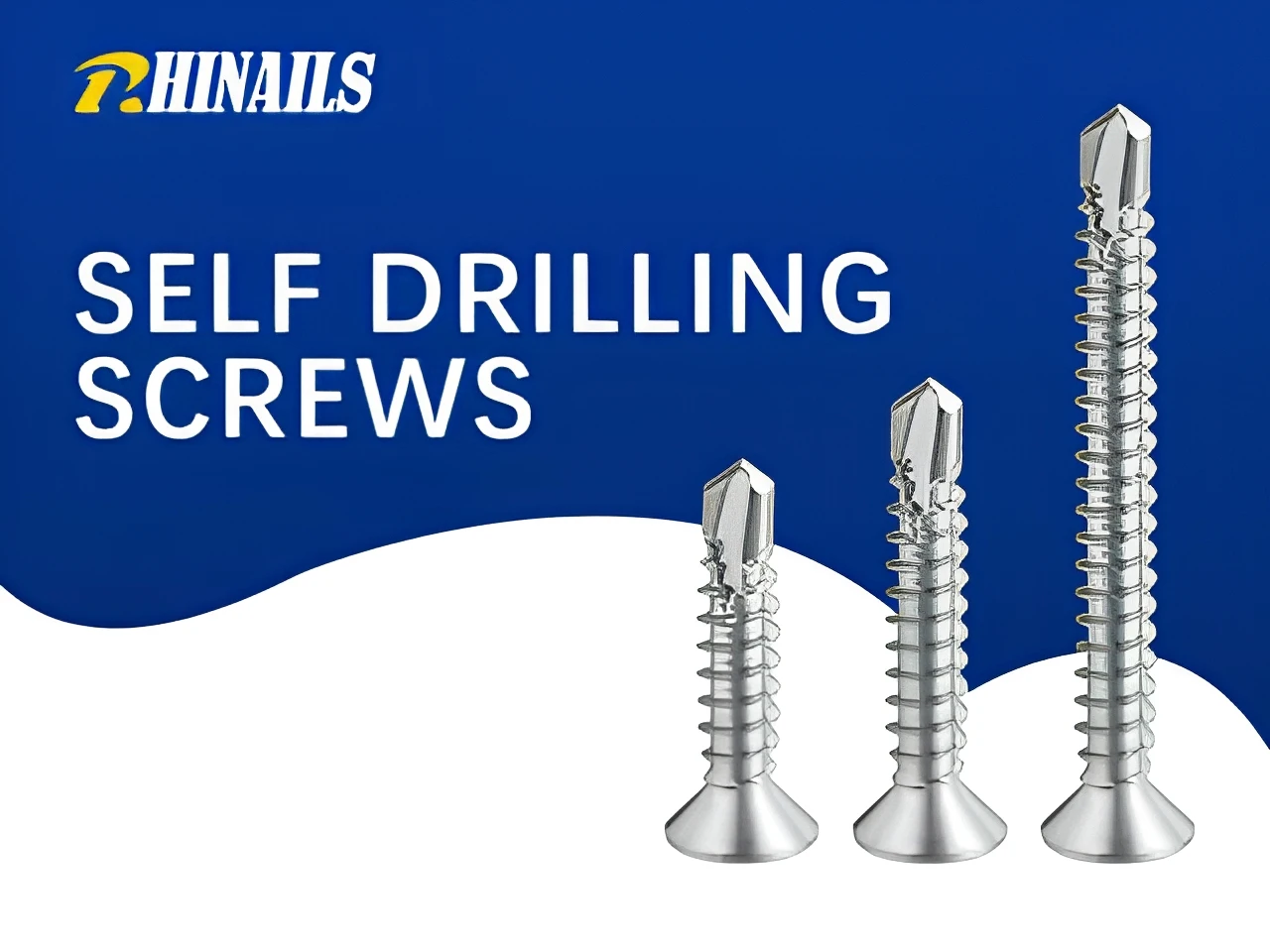
Fig. 1 - Rhinails exterior screws collection: cold-forged from 1022A carbon steel with multi-tier anti-corrosion barrier coatings tested for direct contact with ACQ pressure-treated lumber.
According to the galvanic series of metals:
Carbon steel and zinc sit at the active, easily oxidized end.
Copper inside the treated wood cells sits at the noble, cathode end.
Rainwater and ambient humidity trapped between wet deck boards and joists serve as an active electrolyte.
When a standard electro-galvanized or interior construction screw is driven into wet ACQ lumber, the massive copper surface inside the wood consumes the microscopic 5-micron zinc coating within months. Once the zinc is depleted, the acidic wood sap directly attacks the raw carbon steel shank, necking it down until the screw snaps under foot traffic.
On contractor forums, homeowners frequently post photos of two-year-old deck boards lifting cleanly off joists with rows of snapped screw shanks left behind in the framing.
The failure is mechanical shear:
A screw is engineered primarily for tensile load (pulling the deck board tight against the joist).
Wood joists expand and contract across their grain by as much as 1/4 in (6 mm) between wet springs and hot summers.
Wet pressure-treated 2x6 deck boards shrink across their width as they dry under direct sun, exerting intense lateral shear pressure against the embedded screw shank.
Low-cost screws are through-hardened to HRC 48+ (brittle as glass) so their sharp tip can self-drill quickly.
When the drying joist moves laterally across the brittle shank, the screw cannot bend; it snaps clean off at the board-to-joist shear interface.
Coating / Material Type | Corrosion Protection Mechanism | Salt Spray Hours (ASTM B117) | ACQ / CA-C Compatibility | Expected Exterior Service Life | Best Jobsite Application |
Electro-Galvanized (EG) | Thin 5-8 um zinc flash | 24 to 48 hours | UNSAFE; rapid galvanic decay | 1 to 2 years outdoors | Interior drywall and framing only |
Hot-Dip Galvanized (HDG) | 45-85 um metallurgical alloy | 1,000+ hours | Fully Approved (ASTM A153) | 20 to 30 years | Heavy structural framing, post anchors, timber ties |
Multi-Layer Polymer / Ruspert | Zinc-rich base + epoxy + ceramic barrier | 1,000 to 1,500 hours | Fully Approved for ACQ | 15 to 25 years | Standard residential pressure-treated wood decking |
Grade 305 Stainless Steel | Austenitic solid alloy (18% Cr, 8% Ni) | 2,000+ hours | Superior chemical immunity | 30 to 50 years | Cedar, redwood, high-end composite decks, general exterior |
Grade 316 Stainless Steel | Marine alloy with 2% Molybdenum | 3,000+ hours | Maximum saltwater immunity | Lifetime | Saltwater coastal zones (within 15 miles), swimming pool decks |
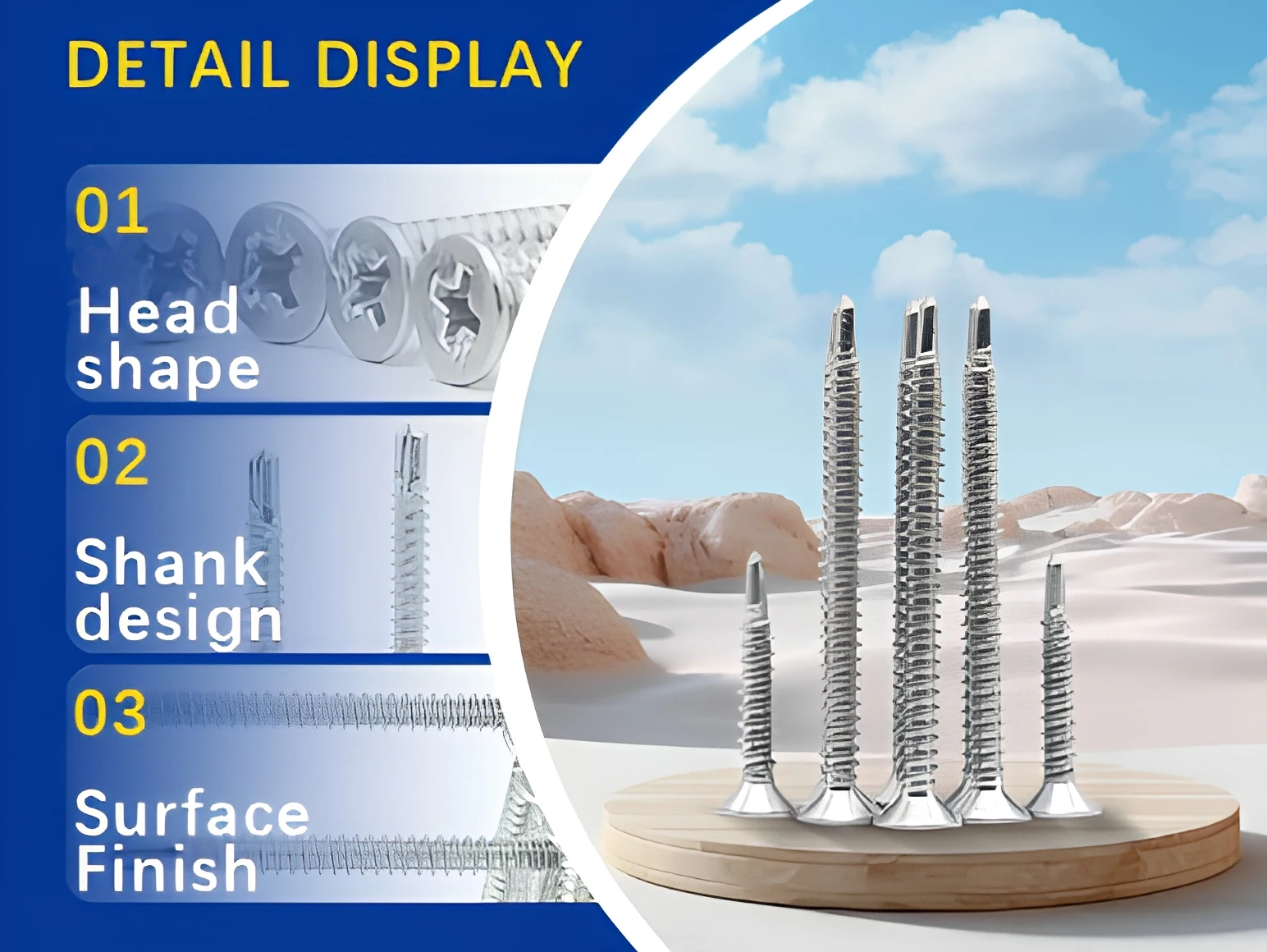
Fig. 2 - Rhinails precision screw detail: Type 17 self-drilling slash point clears wood chips cleanly to prevent splitting in dense treated lumber and hardwood decking.
One of the most dangerous mistakes on residential decks is using standard 3 in deck screws to attach the ledger board to the house rim joist or to mount joist hangers and guardrail posts.
Deck screws are not structural fasteners:
Surface deck screws (#8 or #9 gauge) have an average shear capacity of only 300 to 450 lbs. They are intended solely for holding deck surface boards down.
Structural timber screws (1/4 in to 5/16 in shank) are engineered from high-ductility steel with verified shear capacities exceeding 1,200 to 1,800 lbs per fastener.
When an overloaded deck collapses, it almost always fails at the ledger board because an amateur builder substituted deck screws for certified 1/2 in through-bolts or code-approved structural timber screws.
Sourcing Exterior-Grade Deck & Structural Screws Direct?Rhinails produces ACQ-approved 1,000-hour polymer-coated carbon steel and Grade 305/316 stainless steel exterior screws with Torx T25 star drives, Type 17 slash points, and certified core ductility. Request an Exterior Fastener Spec Sheet & Free Sample Pack -> |
When sourcing exterior screws for deck projects, verify these four design features on the fastener geometry:
Phillips drives were designed to cam-out (slip) under high torque, which strips the screw head when driving into dense green treated wood. A Torx T20 or T25 star drive provides six points of positive mechanical contact, eliminating cam-out and allowing one-handed driving.
Driving a blunt screw into treated pine wedges the grain apart, creating long radial cracks that let standing water penetrate into the heartwood. A Type 17 cutting notch acts like a miniature drill bit, slicing wood fibers and removing chips so the board does not split.
Fig. 3 - Rhinails exterior construction fasteners: heavy protective barrier coatings resist severe outdoor weather exposure and corrosive preservative chemicals.
Quality deck screws feature 4 to 6 small raised cutting ribs beneath the bugle or flat head. As the head seats against the board, these nibs carve a clean, miniature countersink hole, pulling the head dead-flush without mushrooming unsightly composite deck fibers.
The screw surface must be hardened to HRC 50-55 to maintain sharp cutting threads, while the core remains tempered to HRC 32-38. This core ductility allows the screw to bend up to 15 degrees without snapping when the drying deck joist twists seasonally.
Deck Construction Element | Wood or Composite Material | Recommended Fastener Specification | Minimum Length | Fastening Schedule |
5/4 x 6 Treated Pine Decking | 1 in net ACQ Treated Southern Pine | #9 or #10 Polymer Coated (T25 Torx) | 2-1/2 in (64 mm) | 2 screws per joist crossing (16 in OC) |
2x6 Heavy Wood Decking | 1-1/2 in net Treated Fir or Pine | #10 Polymer Coated or Grade 305 SS | 3 in (76 mm) | 2 screws per joist crossing |
Capped Composite Decking | 1 in net Trex / TimberTech / Fiberon | #9 Composite Screw with Reverse Threads | 2-1/2 in (64 mm) | 2 screws per joist; stops mushrooming |
Western Red Cedar / Redwood | High-tannin natural wood boards | Grade 305 or 316 Stainless Steel | 2-1/2 in to 3 in | Stainless stops black tannin bleeding |
Coastal / Poolside Decking | Any decking within 15 miles of ocean | Grade 316 Marine Stainless Steel | 2-1/2 in to 3 in | Mandatory for saltwater atmosphere |
Ledger Board to Rim Joist | 2x Treated Ledger to 2x Rim Joist | 1/2 in Structural Timber Screws | 3-1/2 in to 5 in | Follow local IRC ledger bolt pattern |
Thirty years of industrial cold-heading and coating manufacturing highlights four benchmarks for commercial importers:
Verify ASTM B117 Salt Spray Certification: Ensure the factory provides verifiable third-party testing confirming at least 1,000 hours without red rust for polymer coatings and 2,000+ hours for Grade 304/305 stainless steel.
Mandatory 15-Degree Ductility Bend Test: Random screw samples from each production lot must bend 15 degrees cold in a vice without shank cracking or head separation.
Coating Thickness Uniformity: Multi-layer Ruspert coatings must maintain consistent 15 to 25 micron thickness without pooling inside the Torx drive recess.
Hydrogen Embrittlement Relief: High-carbon carbon steel fasteners must undergo de-embrittlement baking at 200 degrees Celsius immediately following electro-plating stages.
Exterior coated self-drilling and wood screws - Rhinails Screws Collection
Heavy framing self-tapping fasteners - Bugle Head Screws
Hot-dip galvanized outdoor fence fasteners - Heavy Galvanized Fence Staples
Outdoor structural framing coil nails - Coil Nails Range
Complete fastener catalogue - All Rhinails Product Collections
Q: Why do my deck screws snap off after only one or two years?A: Deck screws snap because seasonal timber shrinkage generates hundreds of pounds of lateral shear load across the board-to-joist seam. Brittle through-hardened screws snap rather than flexing with the wood. |
Q: Can I use regular drywall screws or gold wood screws on an outdoor deck?A: No. Interior drywall and standard gold wood screws have thin 5-micron zinc coatings that corrode in months when exposed to ACQ copper preservatives and weather, resulting in rusted-off heads and loose boards. |
Q: What is the difference between Grade 305 and Grade 316 stainless deck screws?A: Grade 305 stainless contains 18% chromium and 8% nickel for general outdoor corrosion protection. Grade 316 adds 2% molybdenum to prevent pitting in saltwater spray, making it mandatory for coastal and poolside decks. |
Q: Can deck screws be used to attach a ledger board to a house?A: Never. Surface deck screws lack required shear load capacity (300 lbs vs 1,200+ lbs required). Building codes mandate certified 1/2 in through-bolts or code-approved structural timber screws for all ledger connections. |
Q: What length deck screws should I use for 5/4 treated decking boards?A: Standard 5/4 decking boards (actual thickness 1 in) require 2-1/2 in (64 mm) screws. This ensures 1-1/2 in of threaded penetration into the supporting joist for maximum withdrawal resistance. |
Rhinails is a high-performance fastener manufacturer with 30 years of industrial export experience, supplying ACQ-compliant exterior screws, structural timber fasteners, coil nails, and pneumatic tools to lumberyards, deck contractors, and building material distributors worldwide.
We produce ASTM B117 certified 1,000-hour polymer-coated carbon steel and Grade 305/316 stainless steel screws featuring precision Torx drives, Type 17 cutting points, and countersinking nibs.
Every production lot undergoes rigorous salt-spray testing, ductility bend verification, and shear-load testing.
Contact us to request exterior fastener specification sheets, container-load wholesale pricing, or jobsite evaluation sample packs.


