
- All
- Product Name
- Product Keyword
- Product Model
- Product Summary
- Product Description
- Multi Field Search
Views: 1336542 Author: Rhinails-Z Publish Time: 2025-10-25 Origin: Site


 Hey there, DIYers and pros!
Ever struggled choosing the right nails for ceiling projects? As a product specialist at Rhinails Fasteners, I've seen how picking the wrong type causes loose fixtures or even safety hazards. Today, let's cut through the confusion and break down 4 essential ceiling nail types you'll encounter:
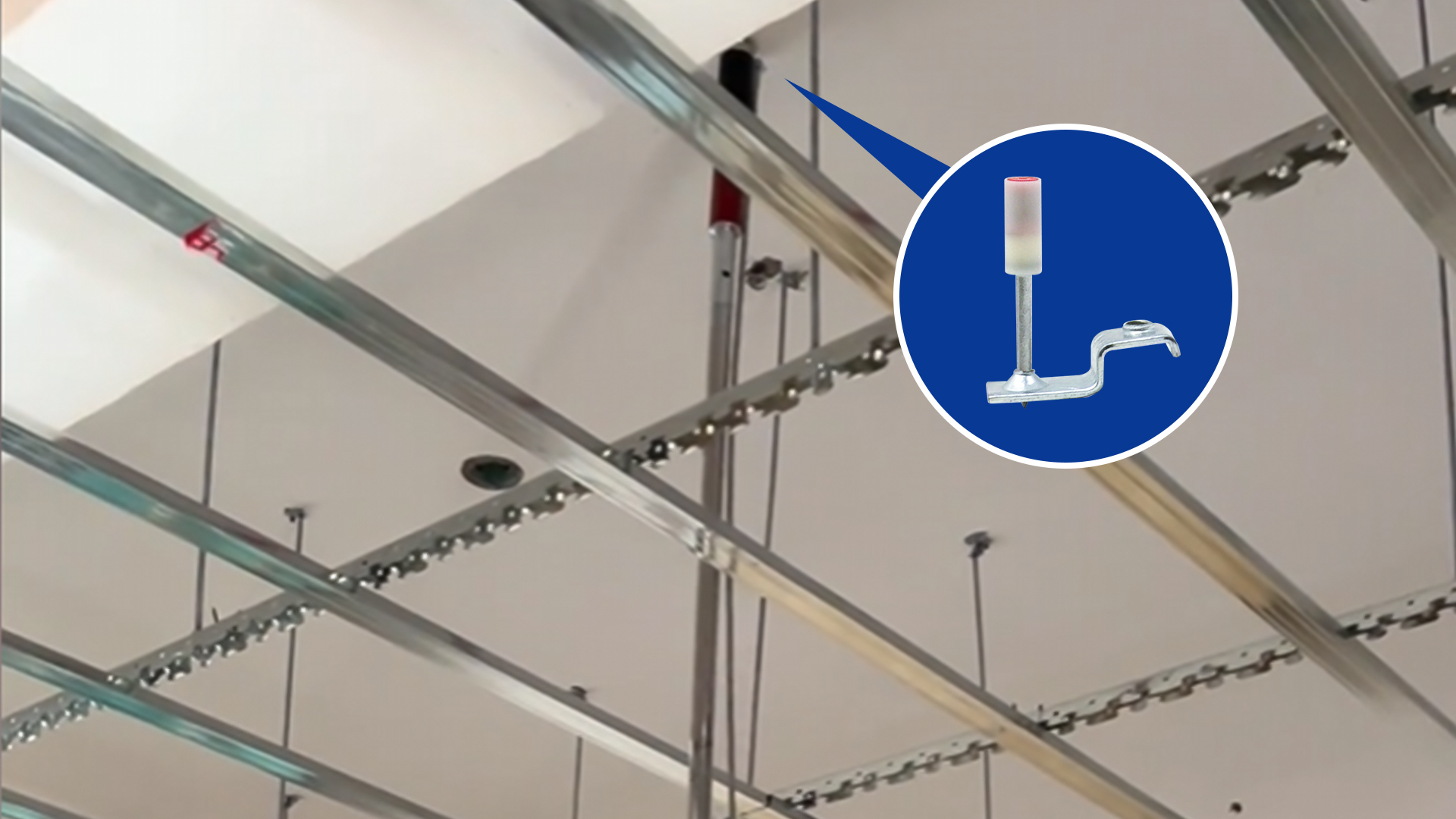
1. Ceiling Nails: Your Suspended Grid Solution
For integrated ceilings, 32mm integrated nails are generally used, paired with hinge plates that have threaded holes in the center. The hole diameters are M6, M8, and M10, which correspondingly connect to M6, M8, and M10 screws, thereby forming the ceiling's connection function.
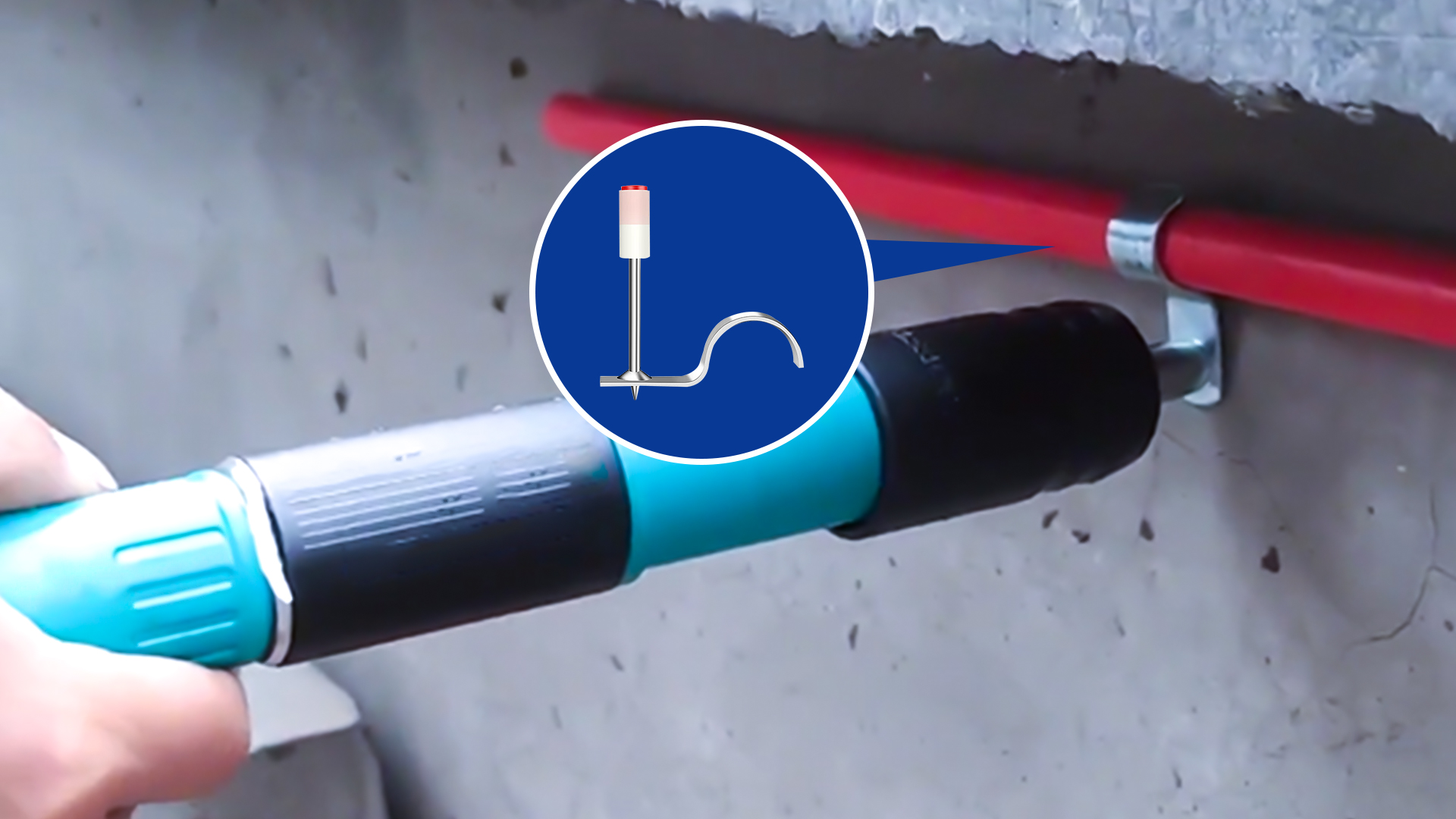
2. Pipe Clip Nails: The HVAC & Plumbing Hero
When to use: Securing conduit, electrical trays, or pipe brackets to ceilings.
As the name suggests, it is used for securing water pipes. It uses a 32mm integral nail, paired with a hinge plate that has a semicircular curve. The diameters are 16mm, 20mm, 25mm, 32mm, 40mm, and 50mm, corresponding to the outer diameters of the water pipes.
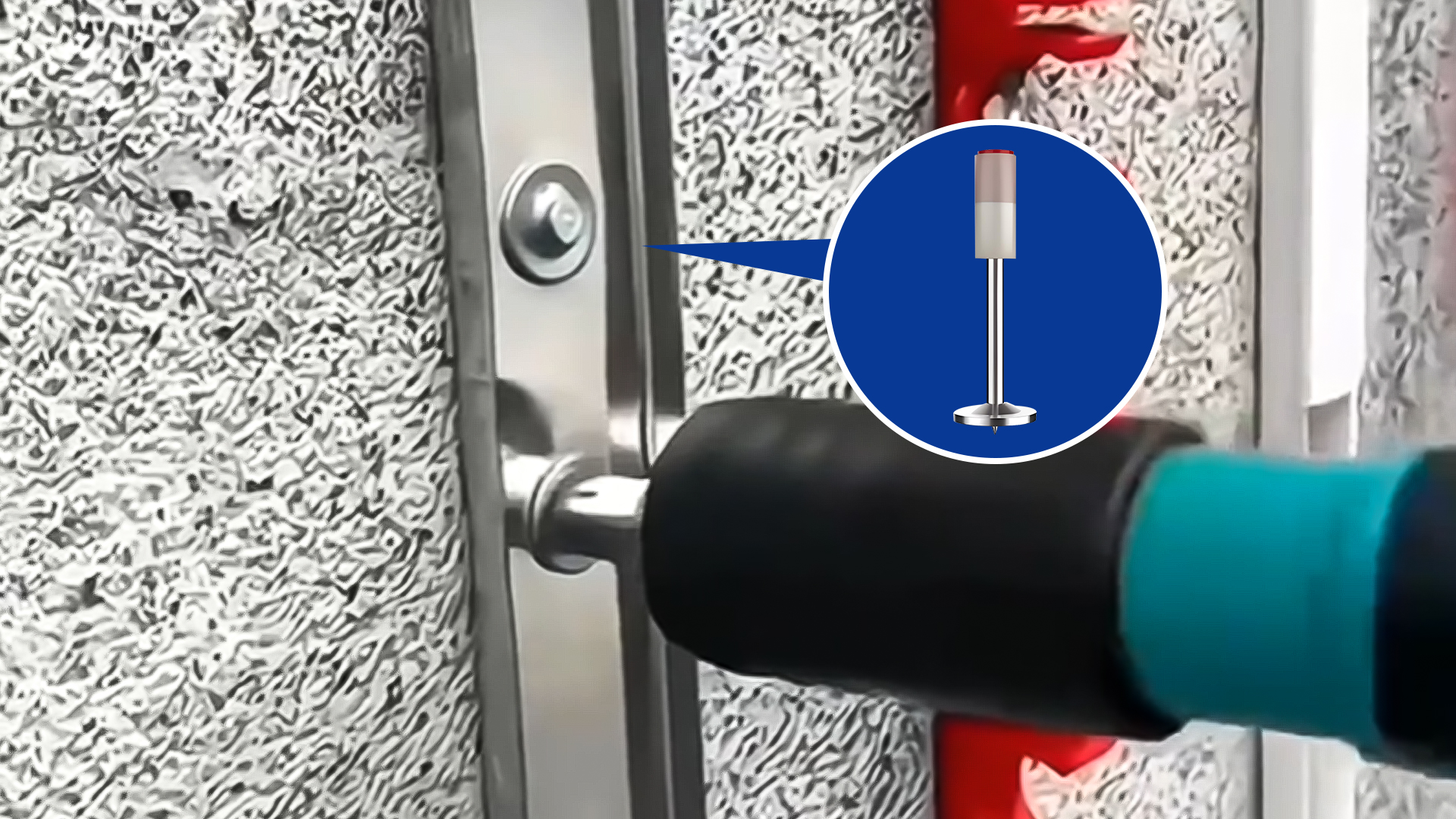
3. Fire Sprinkler Nails: Life-Safety Must-Haves
The specific name of this fire nail originally comes from its use in roof fire protection projects. The editor also heard this from others. The nails used are 32mm and 42mm, paired with either round or square plates. Their primary function is for installation and fixation. For example, 32mm fire nails can be used to secure angle irons, brackets, etc., while 42mm fire nails are mostly used to fix wooden beams less than 2 centimeters thick.
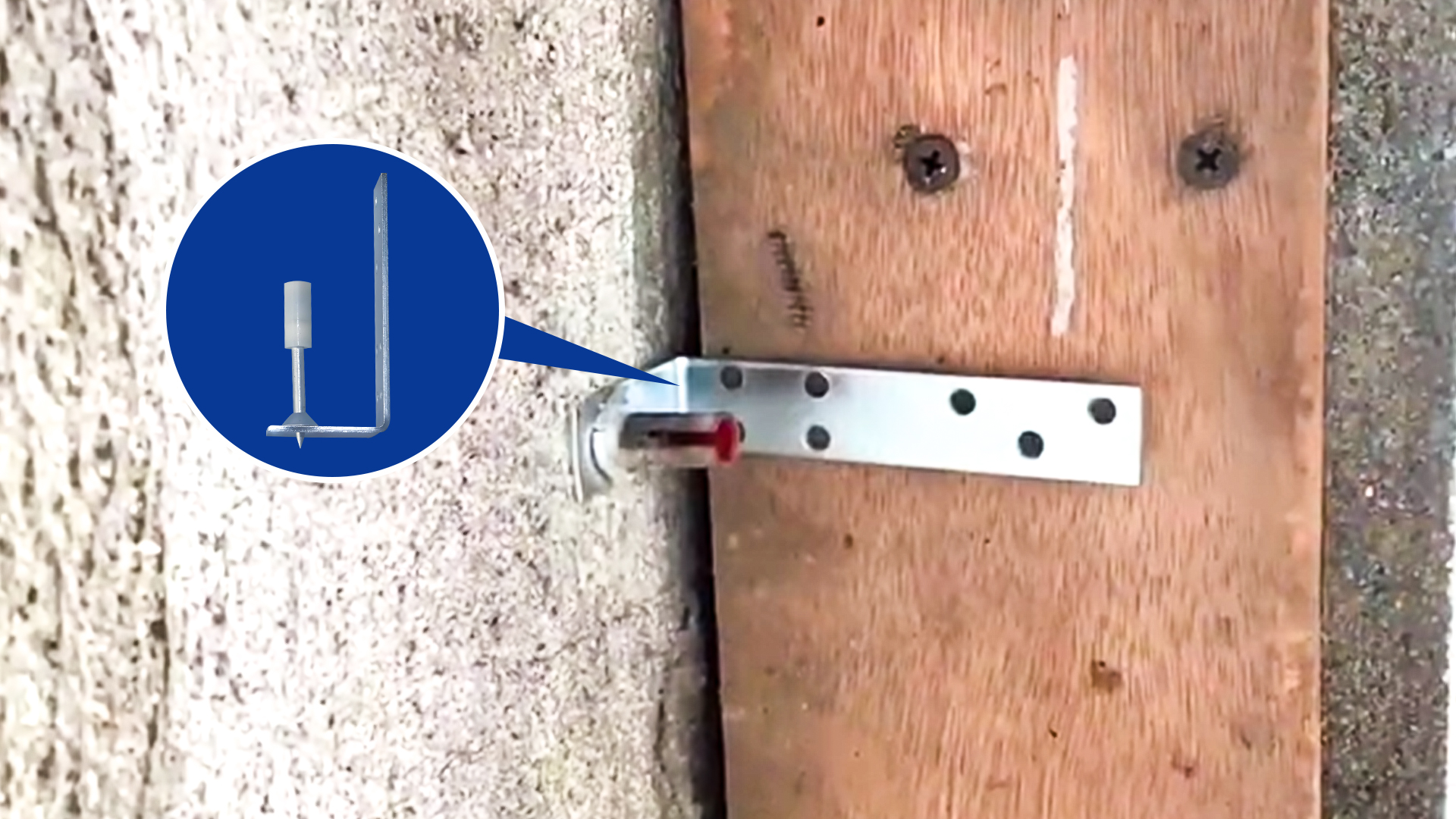
4. Wood Furring Nails: For Solid Wood-on-Concrete Grips
Used for fixing wooden battens. There are 47mm long wooden batten nails and L-shaped wooden batten nails. The 47mm wooden batten nail is used by directly penetrating the wood into the substrate, similar to the way a fire nail is used. It is generally used for wooden battens with a thickness of 2-3 cm. The L-shaped wooden batten nail is 32mm long and is used together with an L-shaped hinge plate. The hinge plate has 7 holes, and self-tapping screws are used to fix the wood onto the L-shaped hinge plate. Then, the nail is driven into the ceiling using a ceiling tool. Other wooden pieces can subsequently be connected and fixed to this main batten using a nail gun.
 Why This Matters
Using drywall nails for sprinkler installations or generic screws for pipe clips leads to callbacks and violations. At Rhinails, we engineer each nail type for specific stress loads and materials. All our nails work with standard coil nail guns (check compatibility here).
 Got a tricky ceiling project? Chat with our specialists – we'll help you nail it right!


